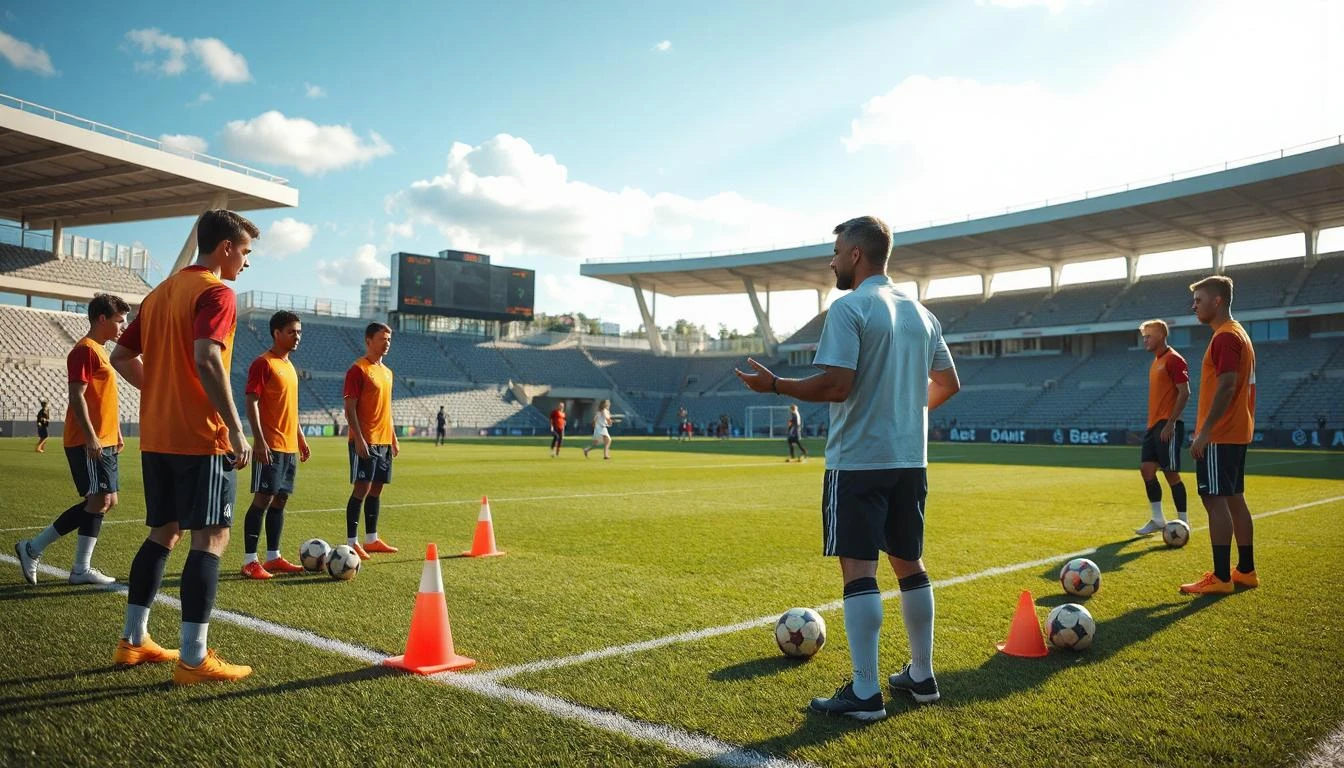
Training Tips for Football Skill Improvement
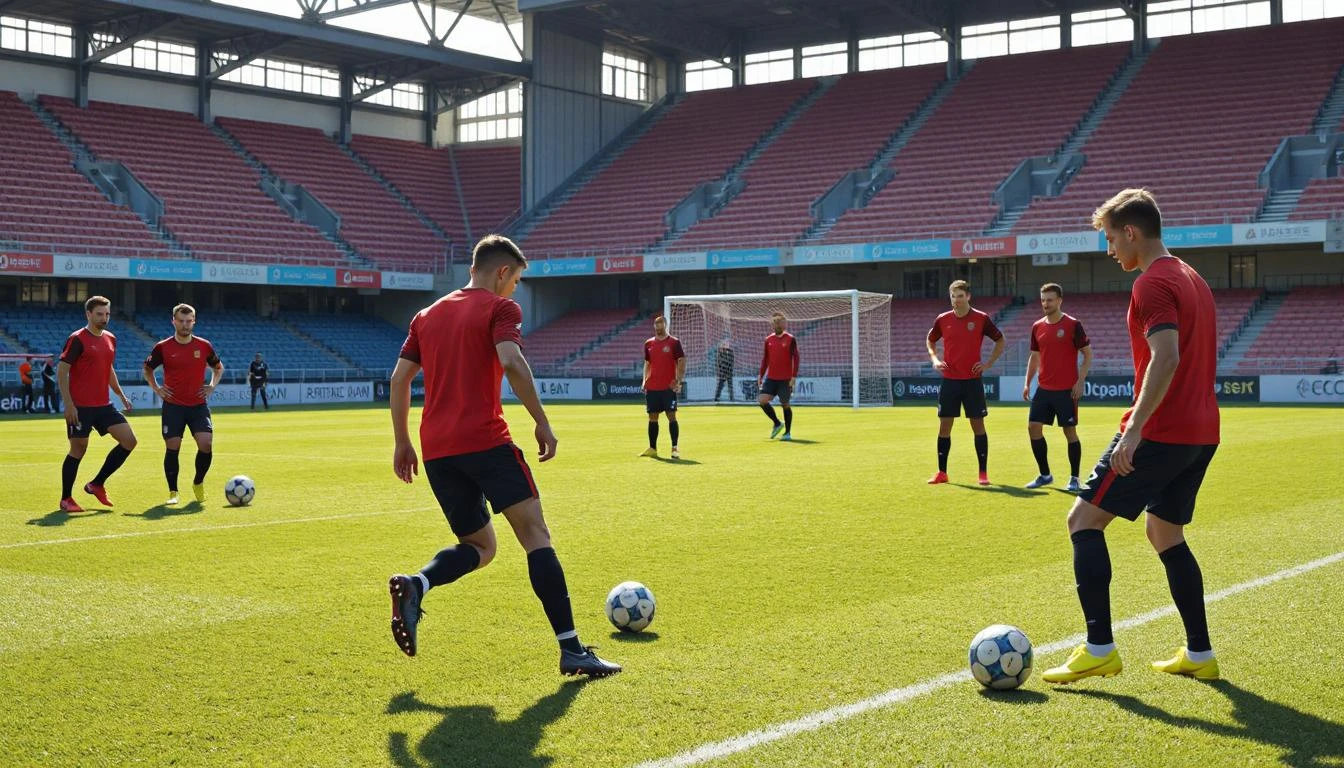
Football today is no longer just about natural flair or instinct on the pitch. It is shaped by discipline, repetition, and intentional development that turns average players into consistent performers. When you start looking deeper into how professionals train, you’ll notice that progress is never accidental,it is engineered through structured habits and focused routines.
Right at the core of this development are football training tips, which serve as a practical roadmap for players aiming to refine their technique, sharpen their awareness, and elevate their overall performance. These methods are not reserved for professionals alone; they are accessible principles that can transform how anyone approaches the game, from grassroots level to competitive stages.
The Importance Of Proper Football Training
Proper training is the invisible foundation behind every great performance on the pitch. Without structure, even talented players struggle to reach consistency. This section opens the door to understanding why intentional practice matters more than random repetition.
The game rewards players who understand rhythm, discipline, and structured development. Every drill, every touch, and every decision builds toward a bigger picture of performance excellence.
conditioning exercises football play a vital role in building endurance, stability, and match readiness. These exercises are not just physical routines; they are strategic tools that prepare the body and mind for the intensity of real competition.
Structured football development ensures players don’t just play harder,they play smarter. As football analyst Michael Cox once stated, “The modern player is defined not by talent alone, but by how efficiently they convert training into match intelligence.” This highlights how structured preparation influences real-game execution.
Why structured training improves performance
Structured training gives direction to improvement. Instead of random drills, players follow progressive stages that build technical precision and tactical awareness. It enhances decision-making under pressure and improves spatial recognition on the field.
When training is structured, players naturally develop better timing, sharper reactions, and more consistent execution during matches. It transforms practice into a system rather than a routine.
Building discipline through regular practice
Discipline is the engine behind consistent improvement. Players who commit to daily repetition develop stronger habits and mental resilience. Training becomes less about motivation and more about identity.
Regular engagement with structured routines ensures that improvement is continuous rather than sporadic. Over time, this discipline becomes second nature, shaping both performance and mindset.
Avoiding common training mistakes
Many players fall into the trap of overtraining strengths while neglecting weaknesses. This imbalance slows overall development and creates gaps in performance.
Avoiding these mistakes requires awareness and honest evaluation. Balanced sessions that include technical, tactical, and physical work ensure complete growth and long-term improvement.
Essential Football Training Tips And Drills
Skill development in football thrives on repetition, variation, and intelligent practice. This section explores how targeted drills can reshape performance in meaningful ways.
Training without purpose leads to stagnation, but training with direction leads to measurable progress. Every drill should serve a clear objective in your development journey.
Improving ball control and passing accuracy
Ball control is the foundation of effective play. Players who master first touch and passing precision gain a significant advantage in tight game situations.
Working with conditioning exercises football alongside technical drills improves coordination under fatigue, simulating real match pressure. This combination enhances composure and accuracy when it matters most.
Developing speed and agility on the field
Speed is powerful, but agility is what makes it effective. Quick direction changes, explosive sprints, and balance control define a player’s ability to outmaneuver opponents.
Training with cone drills, ladder exercises, and interval sprints sharpens reaction time. It helps players transition smoothly between defensive and offensive phases.
Enhancing shooting and finishing skills
Finishing is the ultimate expression of technical mastery. It requires timing, confidence, and precision under pressure.
Practicing different shooting angles, weak-foot finishing, and rapid shot execution builds consistency in front of goal. Repetition under realistic scenarios turns hesitation into instinct.
Building Effective Training Routines
A strong routine is what separates casual training from professional development. Without structure, even the best drills lose their impact.
This section focuses on how consistency, balance, and recovery create a sustainable path for improvement.
Creating balanced weekly training schedules
A well-designed schedule ensures that no aspect of development is neglected. Technical drills, physical conditioning, and tactical awareness must work together.
Consistency across the week helps maintain momentum while preventing burnout or overtraining.
Combining physical and technical exercises
Blending physical conditioning with technical drills creates match-realistic preparation. Players learn to perform skills even under fatigue, which is critical in real competition.
Integrating conditioning exercises football into technical sessions ensures that stamina and skill develop simultaneously, not separately.
Importance of rest and recovery in training
Recovery is often underestimated, yet it is essential for long-term performance. Muscles rebuild, energy restores, and mental focus resets during rest periods.
Without proper recovery, progress slows and injury risk increases, making rest a strategic part of training rather than an optional break.
Boost Your Skills With Consistent Football Training Practices
Consistency is the bridge between potential and performance. Players who train regularly with intention gradually build confidence, awareness, and technical mastery.
“Repetition under pressure is what turns ability into instinct,” says former coach Rafael Benitez, highlighting the importance of sustained practice under realistic conditions. This idea reinforces that growth comes from structured repetition, not occasional effort.
As football analyst Jamie Carragher once noted, “Top players are not defined by what they do once, but by what they repeat every day.” This perspective underlines the importance of discipline in long-term development.
The journey of improvement is continuous, and every session contributes to your evolution as a player. When training becomes consistent, progress becomes inevitable, and performance reaches a new level of stability and confidence.