Football Coaching Guide for Beginners and Pros

Modern football has shifted into a system where speed, intelligence, and preparation define success more than raw talent alone. Every decision on the pitch is now the result of structured planning, not improvisation.
In this environment, football coaching tips become the foundation for building disciplined teams, shaping player mentality, and creating tactical clarity that lasts beyond a single match.
The Importance Of Football Coaching Tips In Modern Game
Modern football is no longer played on instinct alone; it is built on systems, repetition, and intelligent decision-making. The way a coach structures training and communicates ideas often determines whether a team develops or stagnates.
The keyword professional coaching methods plays a crucial role here, because modern teams rely on structured development models that combine tactics, psychology, and physical conditioning into one unified system.
A football coach today is expected to act as a strategist, mentor, and analyst at the same time. As Sir Alex Ferguson once said, “The quality of your preparation defines the quality of your performance,” highlighting how preparation shapes outcomes more than in-game reactions.
Understanding the role of a football coach
A football coach is essentially the architect of a team’s identity. Every training session, tactical adjustment, and player instruction contributes to building that identity over time. Coaches must understand workload balance, tactical periodization, and long-term development planning to remain effective in modern football.
Why coaching matters for team performance
Team performance is heavily influenced by how clearly ideas are communicated and how consistently they are applied. When structured systems are used, players respond with better coordination, sharper pressing, and improved decision-making under pressure. René Meulensteen once noted, “Repetition with purpose creates intelligent players,” emphasizing the importance of meaningful training structures.
Differences between amateur and professional coaching
Amateur coaching often focuses on winning matches quickly, while professional environments prioritize structured development. The difference lies in how sports performance analytics, tactical frameworks, and long-term planning are integrated into daily training processes.
Essential Football Coaching Tips For Success
Progress in football coaching is never accidental; it is built through structured repetition, clear objectives, and constant refinement. Coaches who understand this principle are able to create teams that evolve steadily over time.
The supporting keyword professional coaching methods becomes essential here because success depends on how well training structure, player development, and tactical learning are combined into one system.
Building effective training sessions
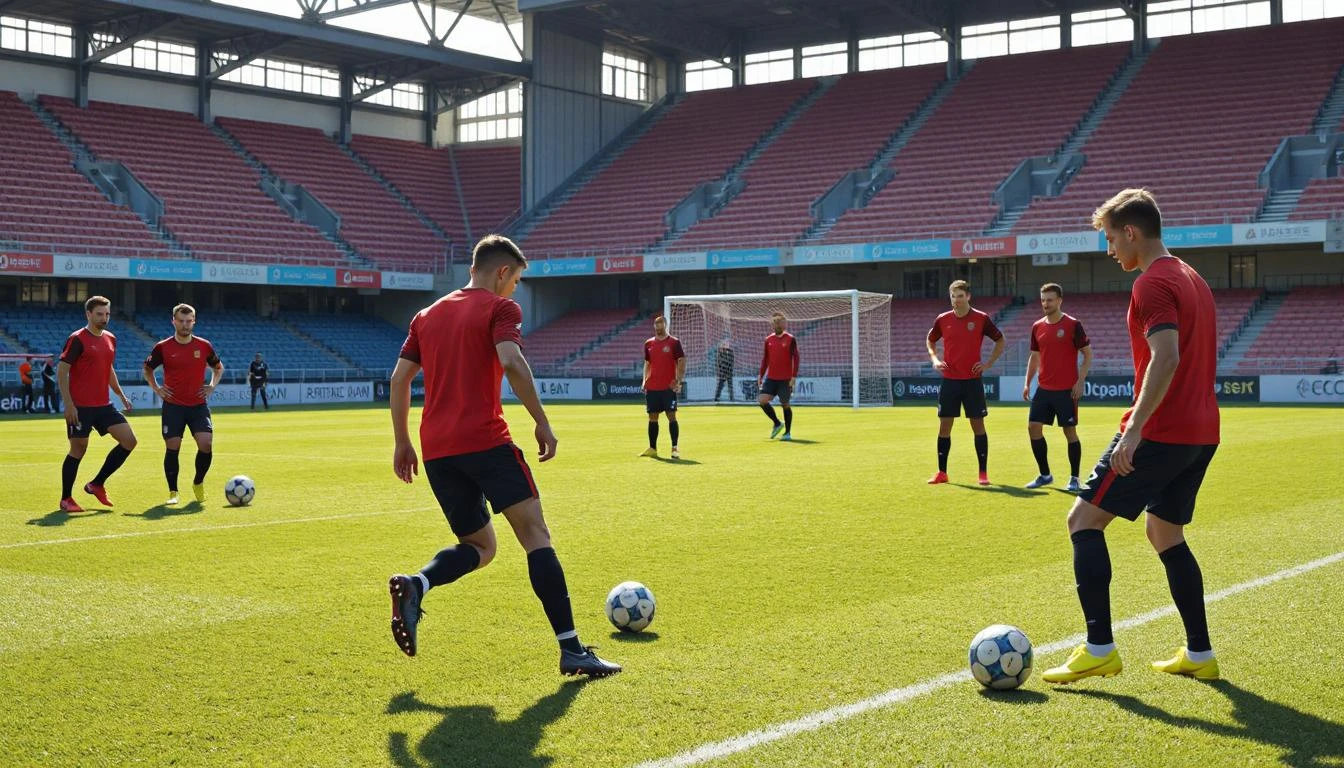
Training sessions must always follow a clear objective. Coaches should gradually increase intensity while maintaining tactical relevance. Game-based learning helps players adapt faster because it mirrors real match conditions instead of isolated drills.
Developing tactical awareness in players
Tactical awareness separates average players from intelligent ones. By focusing on positional play, pressing triggers, and spatial awareness, coaches help players make faster and better decisions during matches.
Improving communication between coach and team
Communication is not just about instruction; it is about clarity, timing, and emotional control. Modern coaching emphasizes feedback loops that allow players to understand not only what to do, but why they are doing it. Clear communication often becomes the difference between execution and confusion.
Modern Approaches In Football Coaching Tips
Football coaching has entered a digital era where data, technology, and analysis shape almost every decision. Coaches are no longer relying only on observation but also on measurable performance indicators.
Here, professional coaching methods become even more important because technology only works when integrated into a structured coaching philosophy.
Using data and technology in coaching
GPS tracking, video analysis, and performance dashboards allow coaches to monitor player movement, fatigue levels, and tactical efficiency. These tools help refine training sessions with precision that was not possible in traditional coaching.
Applying game based training methods
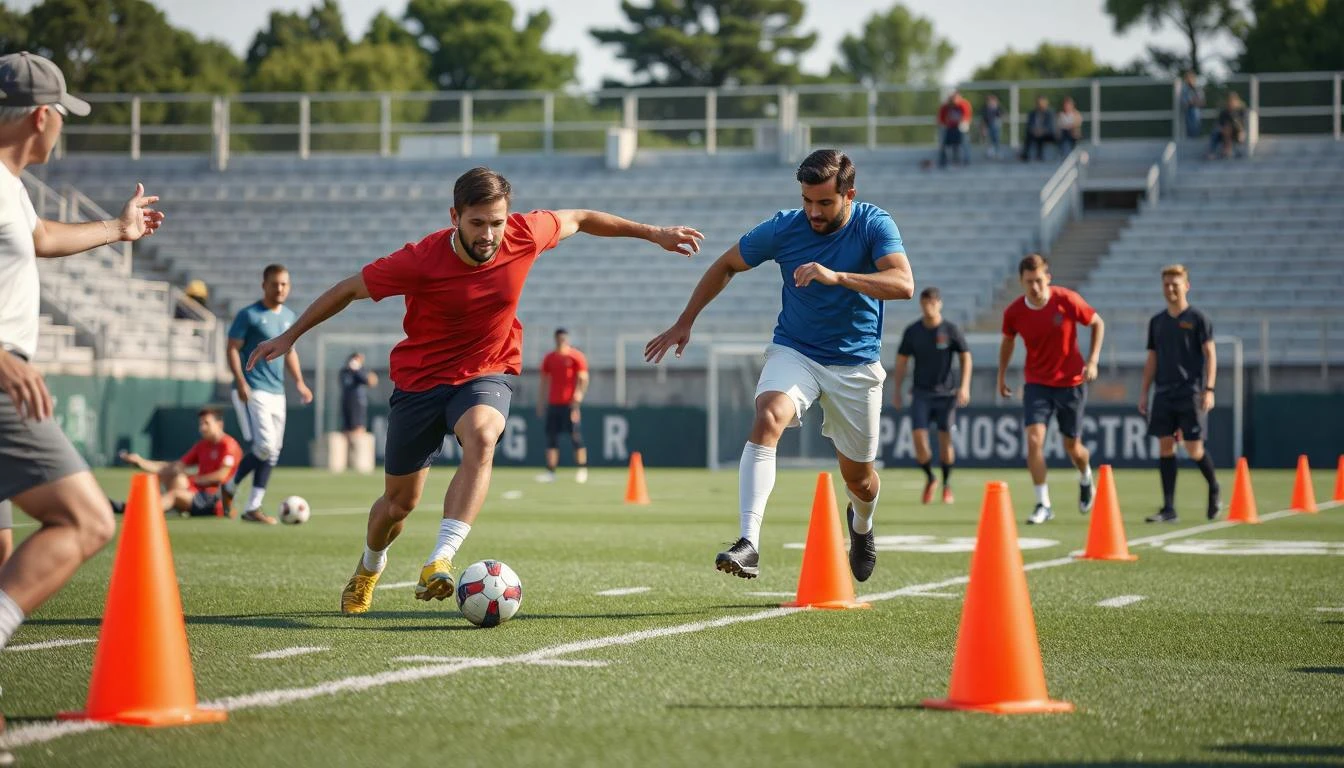
Modern training focuses on realistic match scenarios instead of repetitive isolated drills. This approach helps players adapt to unpredictable game situations while maintaining technical consistency under pressure.
Analyzing opponent strategies effectively
Opposition analysis is now a core part of preparation. Coaches use heat maps, statistical breakdowns, and tactical reviews to identify weaknesses and adjust strategies before matches even begin.
Improve Your Coaching Skills With Better Football Coaching Methods
Becoming a better coach requires constant learning and adaptability. Football evolves quickly, and those who fail to update their methods risk becoming outdated.
Integrating professional coaching methods into daily practice ensures that coaches remain relevant, effective, and capable of developing players who understand modern tactical demands.